
Energy
Self-consumption on car parks: use what the canopy produces
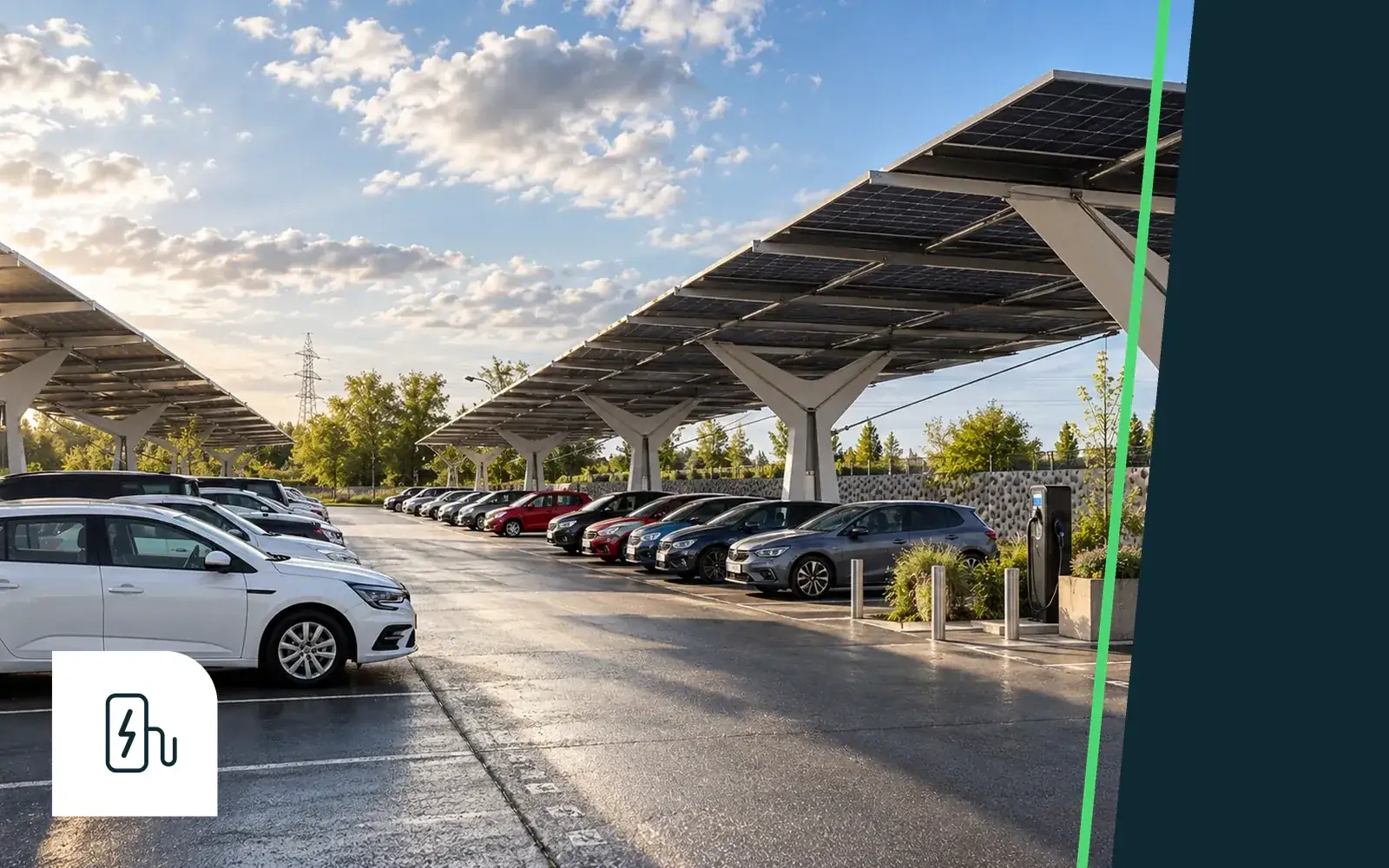
Generating on your car park and consuming on your site lowers bills and exposure to market prices. It all depends on how well generation and demand curves match.
The principle
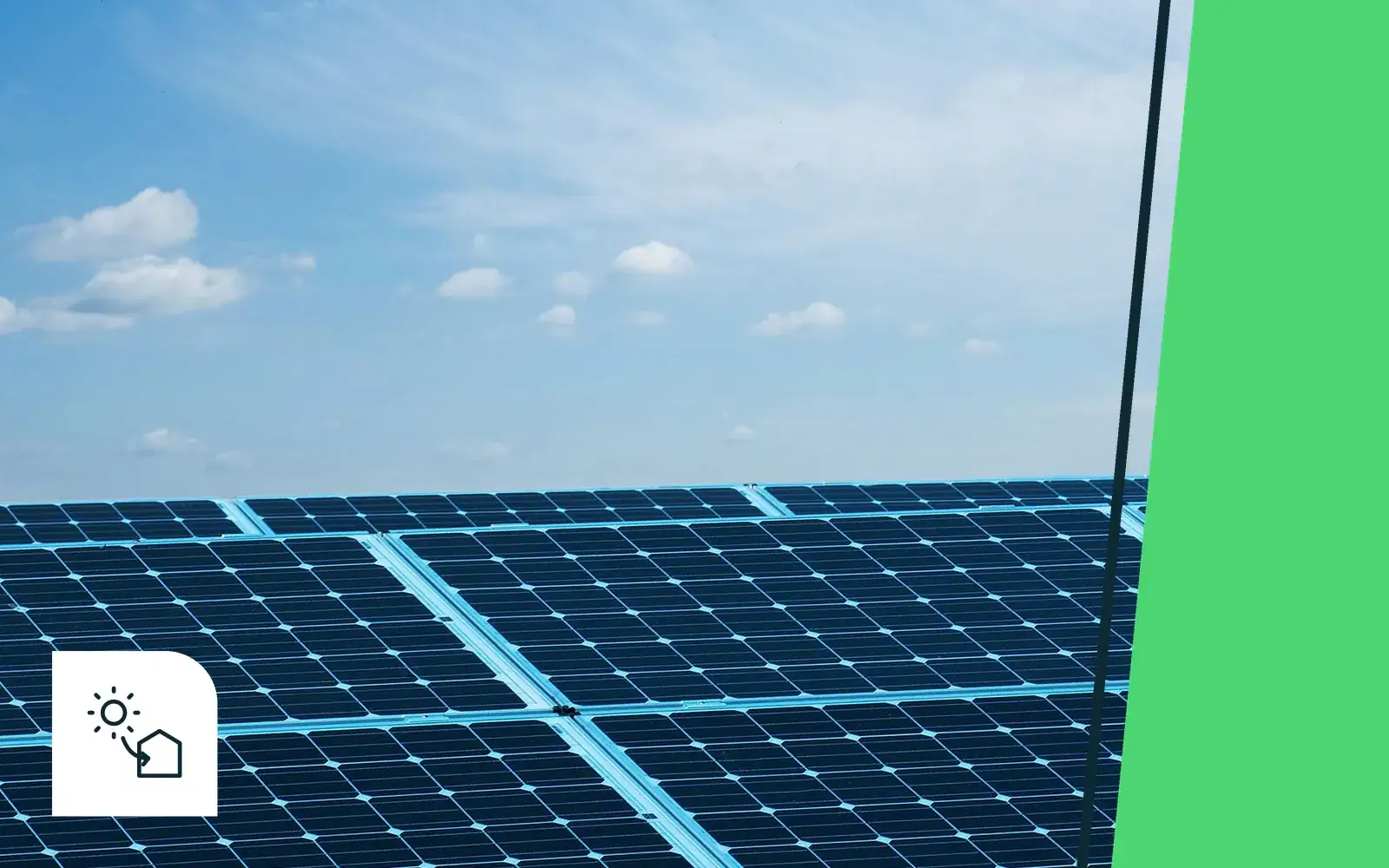
With self-consumption, electricity from the canopy first supplies the site: buildings, processes, lighting, charging. The surplus is exported to the grid and can be sold. The higher the daytime demand, the larger the self-consumed share.
Individual or collective
Individual self-consumption means a producer consumes on the same site. Collective self-consumption shares generation among several nearby consumers, within a regulated perimeter, through an organising legal entity. It suits business parks, campuses and multi-tenant sites.
Sizing it right
- Analyse a full year of site load curves.
- Compare generation month by month, taking canopy orientation into account.
- Test several capacities: the largest is not always the most profitable.
- Assess storage and charging to absorb the midday surplus.
At SUUN
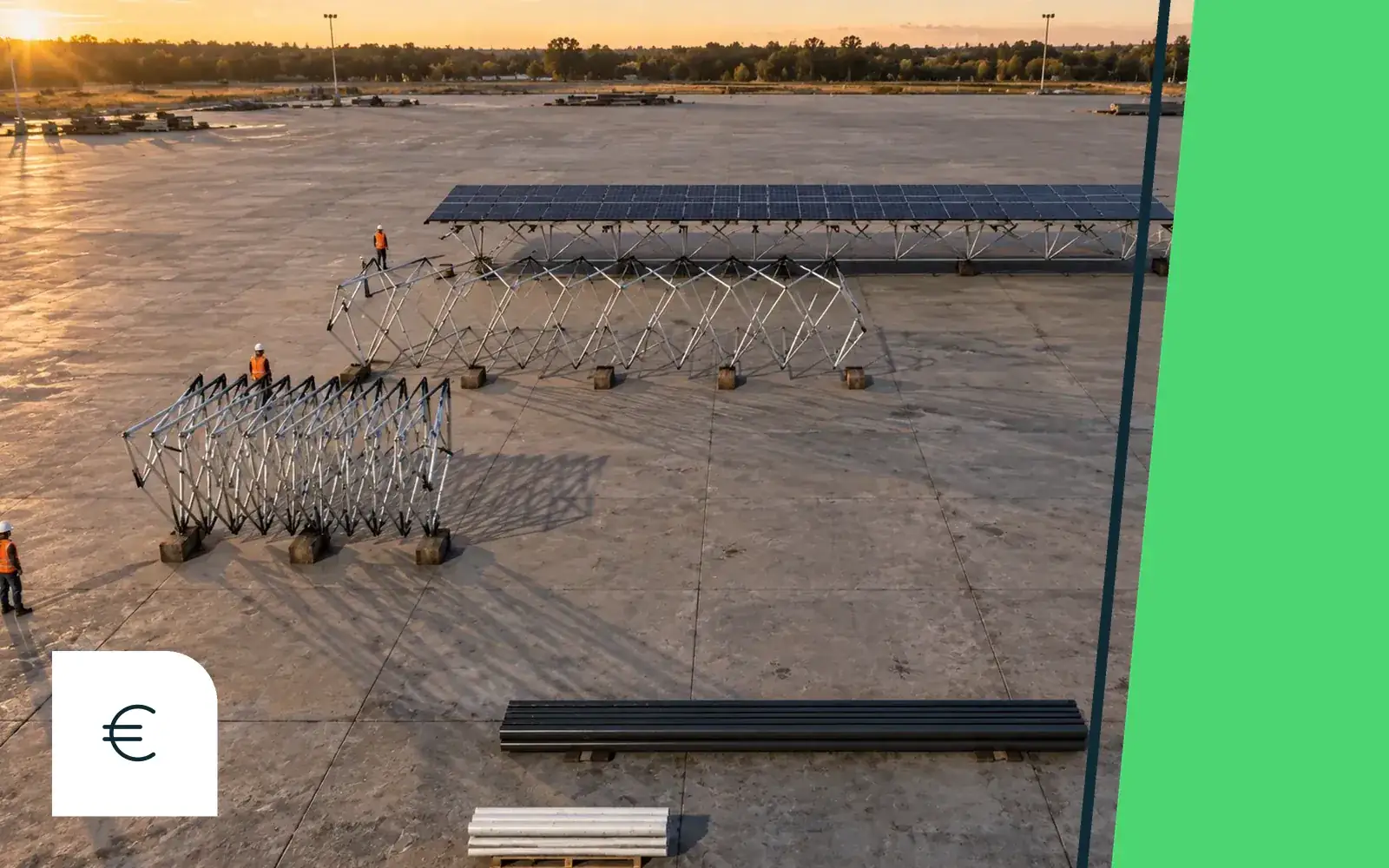
Long spans cover more usable area with fewer supports, increasing the capacity a car park can host. SUUN’s feasibility study matches this potential with the site’s demand profile. Assess your site.
Frequently asked questions
What self-consumption rate should we target?
It depends on the site. A site with high daytime demand, weekdays and weekends, will self-consume most of the output.
Is a battery needed?
Not always. It pays off when the midday surplus is large or when fast charging creates peaks.
General information, up to date at the date shown. Design and regulatory compliance of each project must be validated by the competent teams.